
Industrial Drones · Navigation Without GPS
Outdoors, drones can usually use GPS for positioning and flight assistance. Inside storage tanks, ship compartments, FPSO cargo tanks, boilers and pipe galleries, however, conventional drones face a fundamental challenge: without a GPS signal, how do they know where they are?
Industrial inspection demands more than getting a drone inside. It requires stable flight in complex surroundings and accurate data capture. This is one of the capabilities that sets Scout 137 Gen3 apart from ordinary consumer drones.
01 Why confined spaces are harder to navigate
The interiors of industrial facilities often share several characteristics:
- No GPS coverage
- Poor lighting
- Complex structures with numerous obstacles
- Restricted space and limited visibility for personnel
Satellite-dependent flight methods cannot adequately meet inspection requirements in these conditions. Industrial drones therefore need stronger environmental awareness, using onboard sensors to recognise their surroundings and support positioning and navigation.
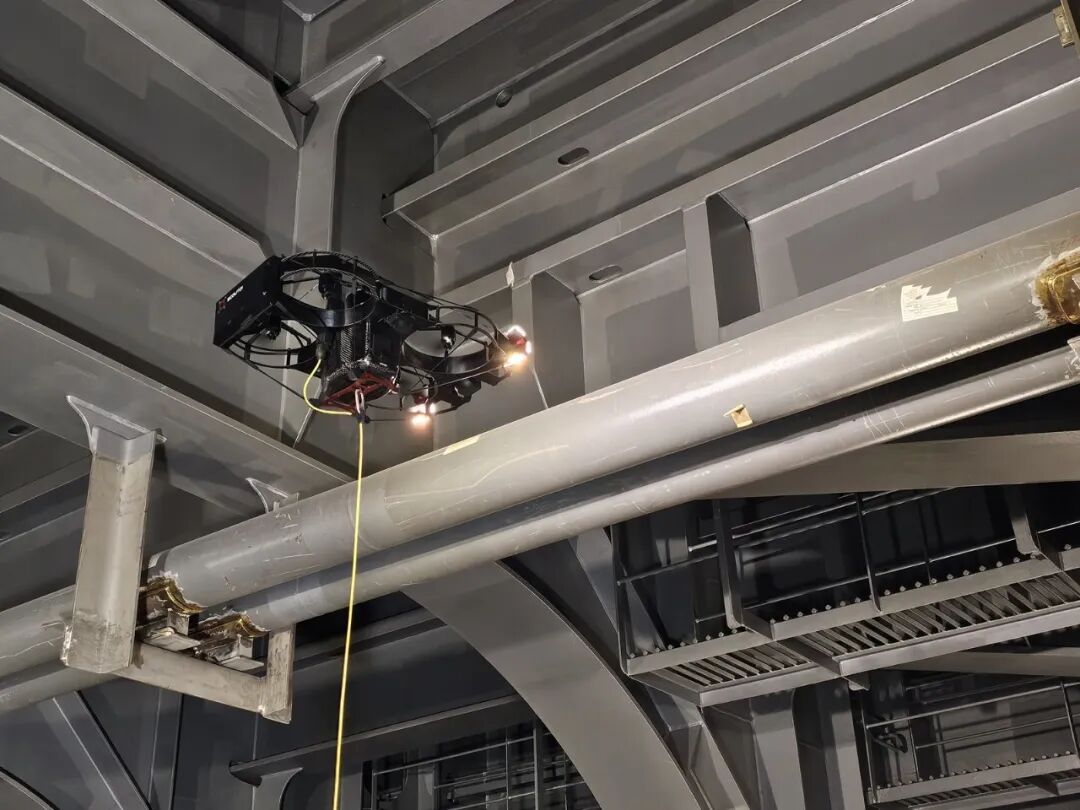
Flying inside a structurally complex, poorly lit industrial space
02 Positioning without GPS
Scout 137 Gen3 uses a real-time LiDAR/SLAM navigation system.
LiDAR (light detection and ranging) emits laser pulses and measures their reflections to determine distances to surrounding objects. SLAM (simultaneous localisation and mapping) uses environmental features to locate the drone and build a map of its surroundings as it flies.
Rather than relying on satellites, the drone senses its environment to establish its position and develop spatial awareness. This enables Scout 137 Gen3 to operate in GPS-denied industrial environments and provides the navigation foundation for confined-space inspection.

Flight path and on-site 3D point cloud map
03 From flight to inspection
Stable flight is only the first step. Once inside a tank or compartment, the drone must also help operators understand the conditions around it.
Scout 137 Gen3 combines a 3D LiDAR system for capturing structural information with a 4K optical zoom camera and high-intensity lighting for high-definition site imagery.
Together, these sensors allow operators to examine:
- The condition of internal structures
- Surface corrosion or damage
- Locations that are difficult to view directly
- Areas requiring further investigation
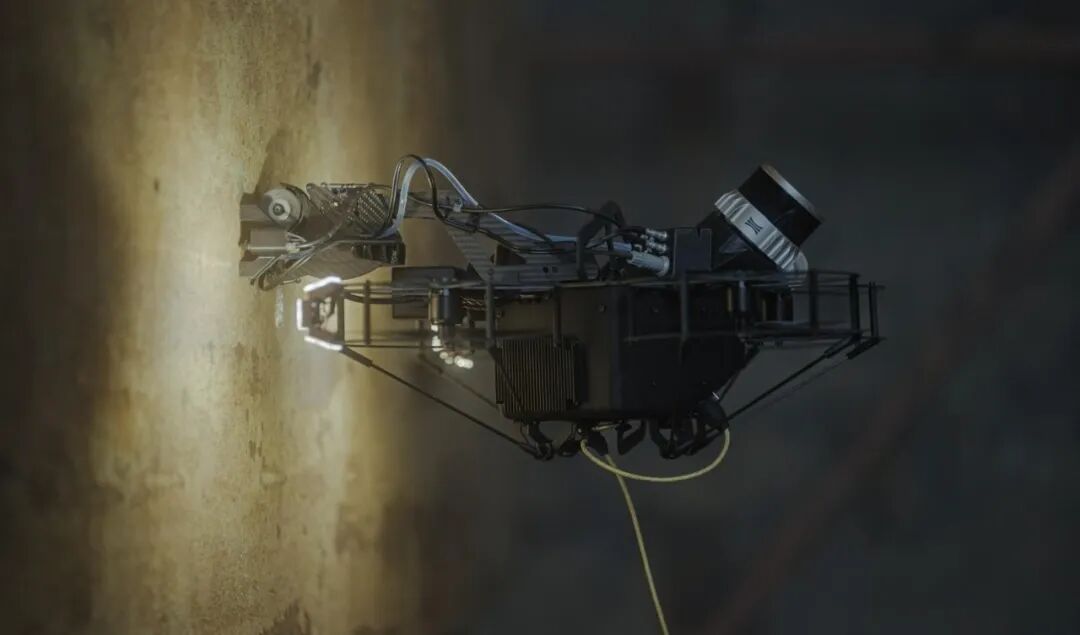
Drone and sensor modules: 3D LiDAR, optical camera and lighting
04 Tethered power removes the usual battery time limit
In addition to operating without GPS, Scout 137 Gen3 uses a tethered design. Its cable supplies continuous power and carries data, so inspection time is not constrained by conventional battery endurance.
In large storage tanks and ship compartments, this allows inspections to continue with fewer interruptions caused by limited battery life.
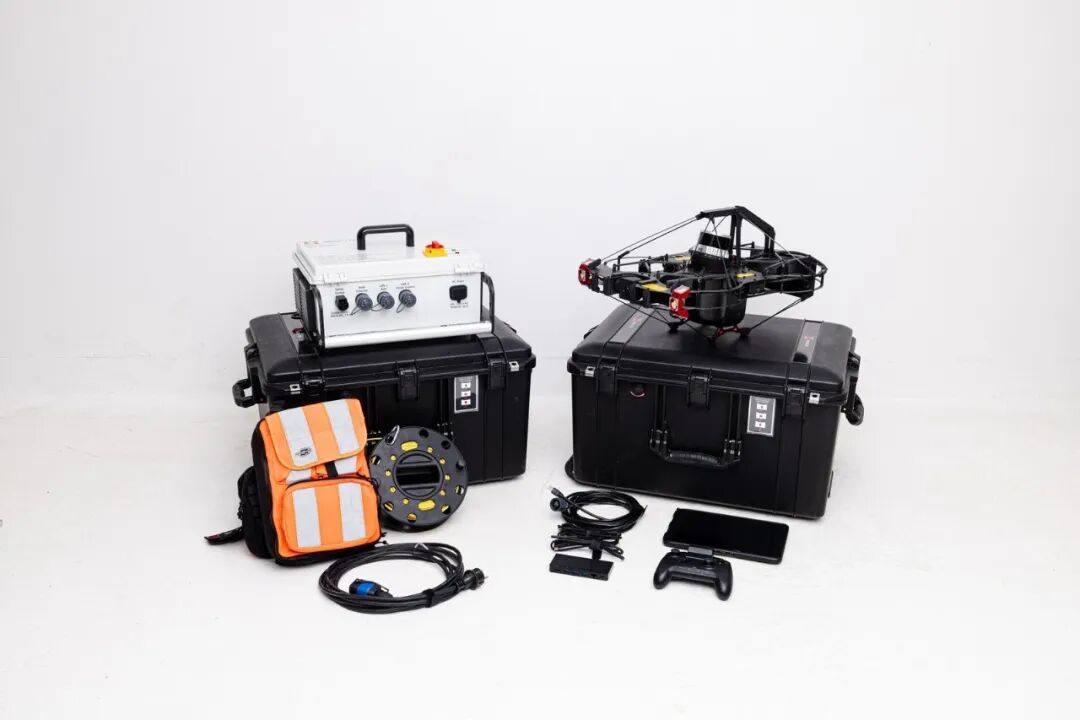
Tethered power and data cable
05 Bringing industrial drones into real operations
The focus of industrial drone development is shifting from outdoor surveys to inspection inside confined spaces. A useful drone is not simply one that can fly: it must enter complex environments and address practical operational needs.
With GPS-denied operation, LiDAR/SLAM navigation, continuous tethered power and digital data capture, Scout 137 Gen3 offers a safer, more efficient inspection approach for ships, offshore assets, storage tanks and industrial facilities.
The value of the low-altitude economy lies not simply in taking flight, but in working in real operational environments to address safety, efficiency and data management.
Tecway Maritime provides Scout 137 Gen3 confined-space inspection solutions for ships, offshore assets, storage tanks, tunnels and other facilities. Please contact us to discuss comparable requirements.
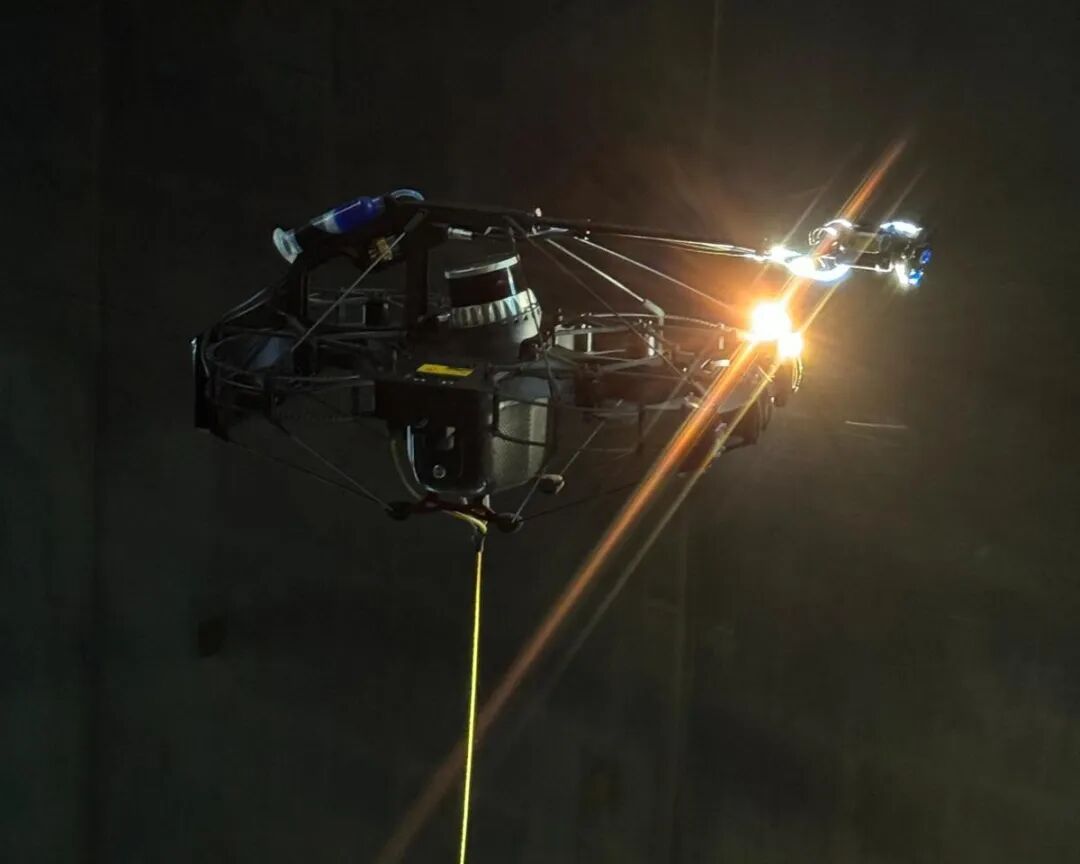
On-site inspection inside a storage tank
Completing confined-space inspections, even without a GPS signal.
About Tecway
Tecway International Limited was founded in Hong Kong in 1993 and is a leading technical consultant and high-quality distributor in the global maritime industry. Drawing on more than thirty years of experience, it has developed five core business areas: marine equipment, petrochemical storage and transportation, diesel and internal combustion engines, maritime technical services, and maritime consultancy services, serving major markets including China, Southeast Asia, the Middle East and Europe.
Tecway Maritime is a specialist team focused on green shipping and maritime consultancy. Addressing shipping companies' low-carbon transition and compliance needs, it provides EU ETS, UK ETS and FuelEU compliance consultancy, EUA/UKA allowance procurement support, FuelEU pooling services, support for green fuel projects in shipping, export solutions for Chinese-made marine equipment, ScoutDI industrial drone solutions from Norway, and FGSS/CHS technical services for dual-fuel vessels.
We are also committed to the diesel and internal combustion engine manufacturing industry, supplying products such as the Cylinder Liner Diameter Measurement (CLDM) system with full technical support. From sales consultation, installation and commissioning to training and after-sales service, our responsive service network is trusted for its expertise and reliability.